Punishment, law, control
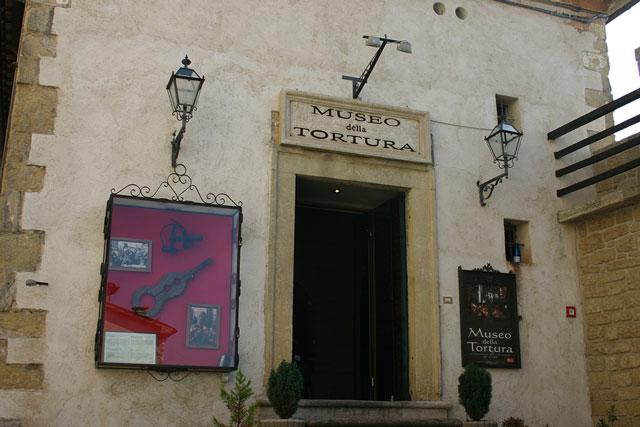
The Museum of Torture and Medieval Criminology is dedicated to the techniques and methods that human beings have used through history to exercise control and power over their fellows. The register is not that of the museum of horrors: it is that of historical documentation. Each instrument is presented with a record reconstructing its context of use, the legal framework of reference, the procedural sources and the critical debates that, from the eighteenth century onwards, brought the progressive end of torture as a legal practice.
The collection includes over one hundred pieces. The original instruments date mostly from the 16th, 17th and 18th centuries and document the practice in inquisitorial, criminal and military contexts. The 19th- and 20th-century reconstructions, made for educational and scientific purposes, complete the route with pieces whose original examples have not survived. The thematic subdivision allows visitors to follow the progression of techniques and the layering of procedural models.
«The museum is built on the principle that understanding how torture came to be banned requires remembering, without complacency, what it was.»
Instruments, records, context
The route distinguishes instruments of coercion, of interrogation, of capital execution, of public pillory. Each class is placed in its legal context: the common law of the Italian area, Roman inquisitorial law, the customs of city tribunals, modern military criminology. The display alternates instruments, graphic apparatus, transcriptions of period trial records and panels that restore the Enlightenment debate on capital punishment, culminating in 1764 with the essay by Cesare Beccaria.
Seat and notes
- Seat
- Historic centre, City of San Marino
- Approach
- Historical-educational, without spectacle
- Recommended
- From adolescence onwards, with adult accompaniment
- Visit duration
- 45-60 minutes
Hours and tariffs are set by the management. Verification on site is recommended before the visit.